Concrete Coatings.net
A Complete Guide to Protecting and Enhancing Concrete Surfaces
Concrete coatings can be applied to vertical, horizontal and even inverted surfaces to accomplish a myriad of results. Functional and ascetic results can be achieved using different coatings. We will explore many of them in the following pages.
Do you have concrete that is new, old, perfect of failing? Is it painted, stained or stamped. Is it a wall, a floor, a driveway, a sidewalk, a pool deck or even a retaining wall? Is it ugly and broken. Maybe it's oil stained? maybe the weather has caused it to spall.
Concrete is one of the most durable and versatile construction materials available, but even concrete can deteriorate when exposed to heavy traffic, moisture, chemicals, weather, stains, and everyday wear. Concrete coatings provide an effective way to protect concrete surfaces while also improving their appearance, safety, and functionality. From residential garages and patios to commercial warehouses and industrial facilities, the right coating system can dramatically extend the life of a concrete floor or vertical surface.
Concrete coatings are available in a wide range of materials, colors, textures, and finishes. Some are designed primarily for protection, while others are selected for decorative purposes. Understanding the differences between coating systems, proper surface preparation, installation methods, and long-term maintenance is essential for achieving a durable result.
Throughout this site we will offer insight that will save both time and money in caring for all things concrete and brick. At concrete-coatings.net, we are your comprehensive information and material source in North America.
What Are Concrete Coatings?
A concrete coating is a protective or decorative material applied over an existing concrete surface. Depending on the product and intended application, a coating may form a thin film over the concrete or create a thicker, multi-layer flooring system.
Coatings can protect concrete from abrasion, impact, water, oil, grease, chemicals, ultraviolet exposure, and other damaging conditions. They can also make concrete easier to clean and provide improved traction.
Common concrete coating materials include epoxy, polyaspartic, polyurethane, acrylic, and cementitious coatings. Each has different characteristics and is suited to different environments.
For example, epoxy coatings are widely used for garages, workshops, warehouses, and commercial floors because of their hardness and chemical resistance. Polyaspartic coatings are popular when rapid installation and UV resistance are important. Acrylic coatings are often used for decorative or exterior applications where appearance and ease of application are priorities.
Benefits of Concrete Coatings
One of the primary advantages of coating concrete is protection. Bare concrete is porous, meaning it can absorb water, oils, chemicals, and other contaminants. Over time, these substances can cause staining, deterioration, or other forms of damage.
A properly installed coating creates a barrier between the concrete and the surrounding environment. This can help prevent liquids and contaminants from penetrating the surface.
Improved Durability
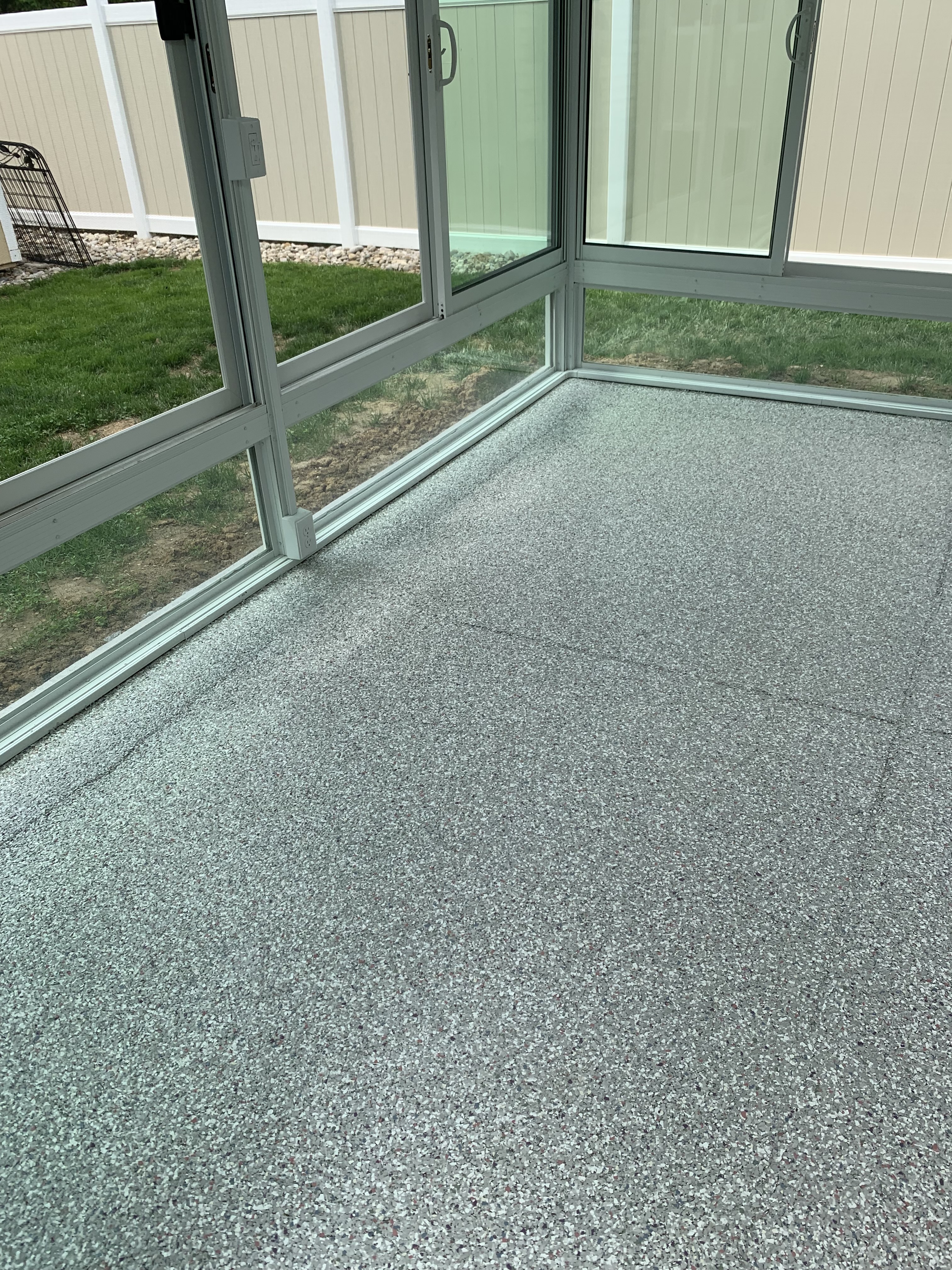
Concrete coatings can significantly improve the wear resistance of a floor. In garages and commercial facilities, floors may be exposed to vehicles, tools, machinery, carts, forklifts, and constant foot traffic. A properly selected coating system can withstand these demands much better than untreated concrete.
Easier Cleaning
Coated concrete surfaces are generally easier to maintain than bare concrete. Dirt, oil, dust, and spills can be wiped or washed away more easily because the coating reduces the surface's porosity.
This is especially valuable in garages, restaurants, manufacturing facilities, medical facilities, and other areas where cleanliness is important.
Improved Appearance
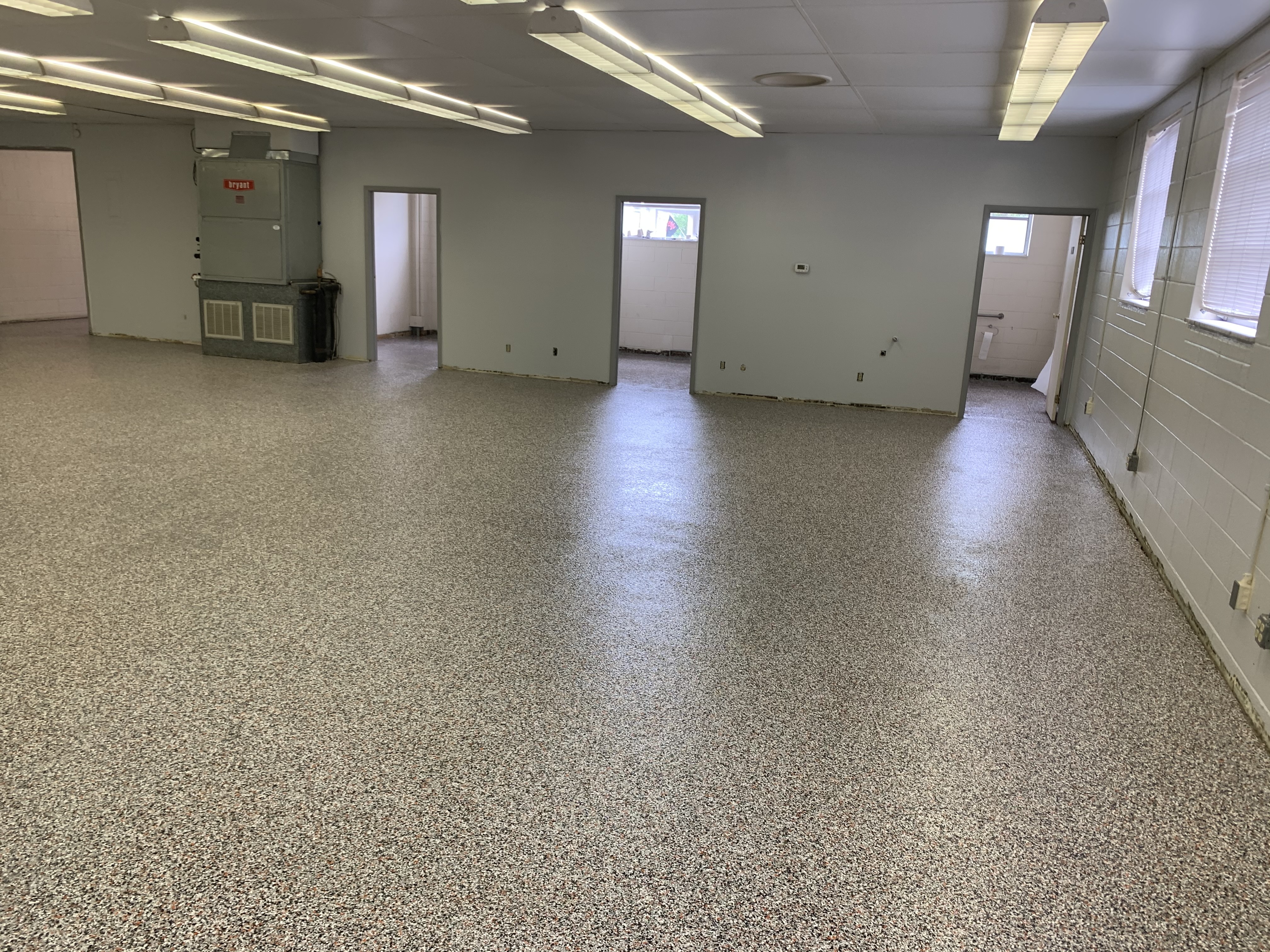
Concrete coatings can transform an ordinary concrete floor into an attractive finished surface. Coatings are available in many colors and decorative styles. Flake systems, metallic finishes, solid colors, and quartz or aggregate broadcasts can create dramatically different appearances.
For residential garages, decorative flake floors are particularly popular because they combine a finished appearance with durability and relatively simple maintenance.
Increased Safety
Some coating systems can incorporate anti-slip additives or broadcast aggregate to provide additional traction. This can be important in areas where floors may become wet or contaminated with oils and other liquids.
The amount and type of texture should be selected based on the environment. A very smooth floor may be easier to clean, while a heavily textured surface may provide better traction but require more effort to maintain.
Common Types of Concrete Coatings
Epoxy Coatings
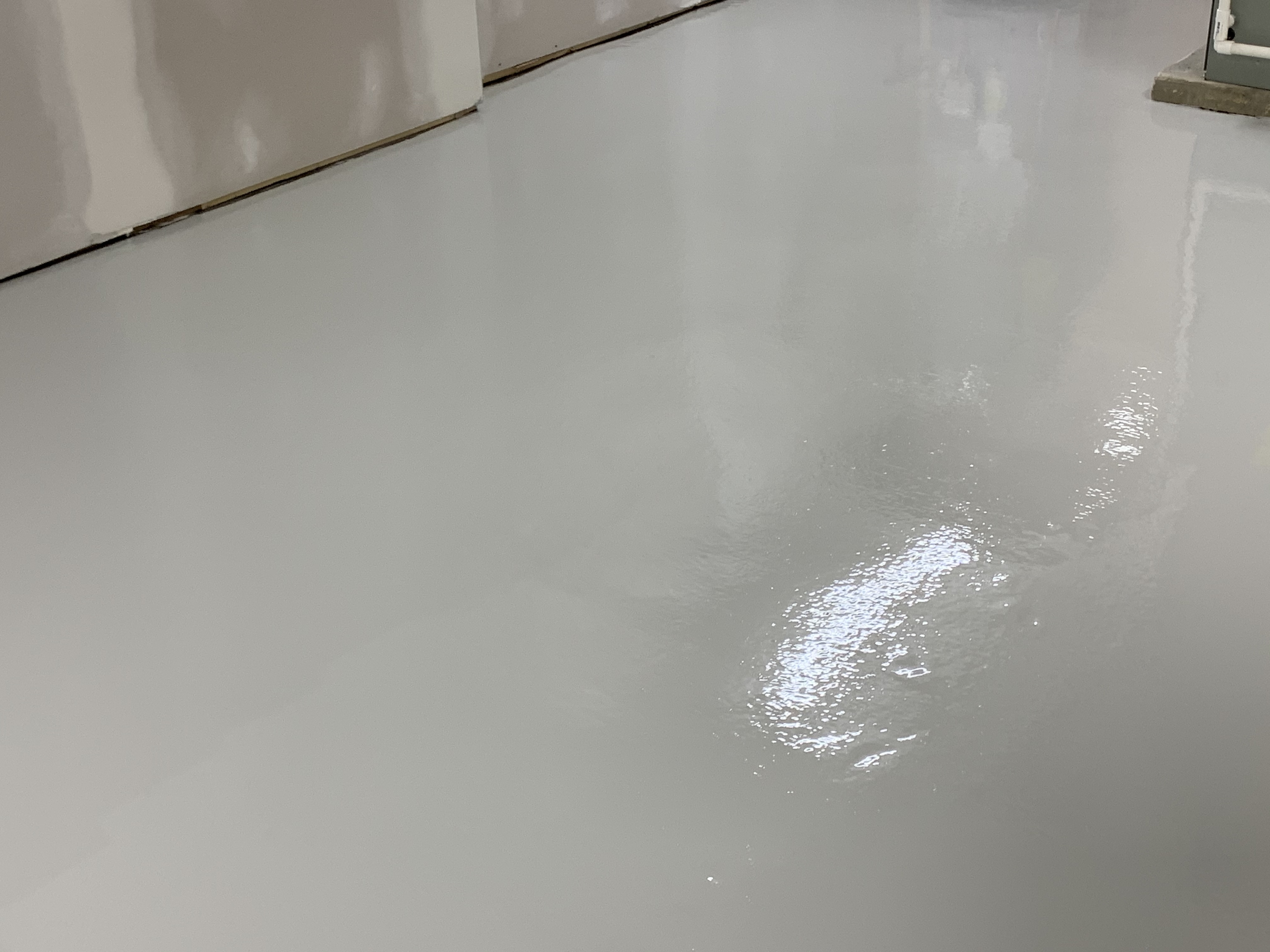
Epoxy is one of the best-known concrete coating materials. It is created by combining resin and a hardener, producing a durable surface after curing.
Epoxy is valued for its hardness, adhesion, chemical resistance, and ability to create an attractive finished floor. It is commonly used in residential garages, workshops, warehouses, showrooms, and commercial facilities.
One limitation of traditional epoxy is its sensitivity to ultraviolet exposure. Some epoxy systems can yellow or change color when exposed to prolonged sunlight. For this reason, epoxy is often paired with a UV-resistant topcoat when used in areas exposed to sunlight.
Polyaspartic Coatings
Polyaspartic coatings have become increasingly popular for residential and commercial flooring applications. They offer rapid curing, good chemical resistance, and excellent UV stability.
One major advantage is installation speed. Depending on the system and environmental conditions, polyaspartic materials can cure much faster than traditional epoxy systems, allowing floors to return to service relatively quickly.
Polyaspartic coatings are commonly used for garages, patios, commercial floors, and other applications where durability and fast turnaround are important.
Polyurethane Coatings
Polyurethane coatings provide excellent abrasion and chemical resistance and are often used as a protective topcoat over another coating system.
Compared with some epoxy systems, polyurethane can offer greater flexibility and better resistance to ultraviolet exposure. It can also provide a different level of gloss and surface texture.
Acrylic Coatings
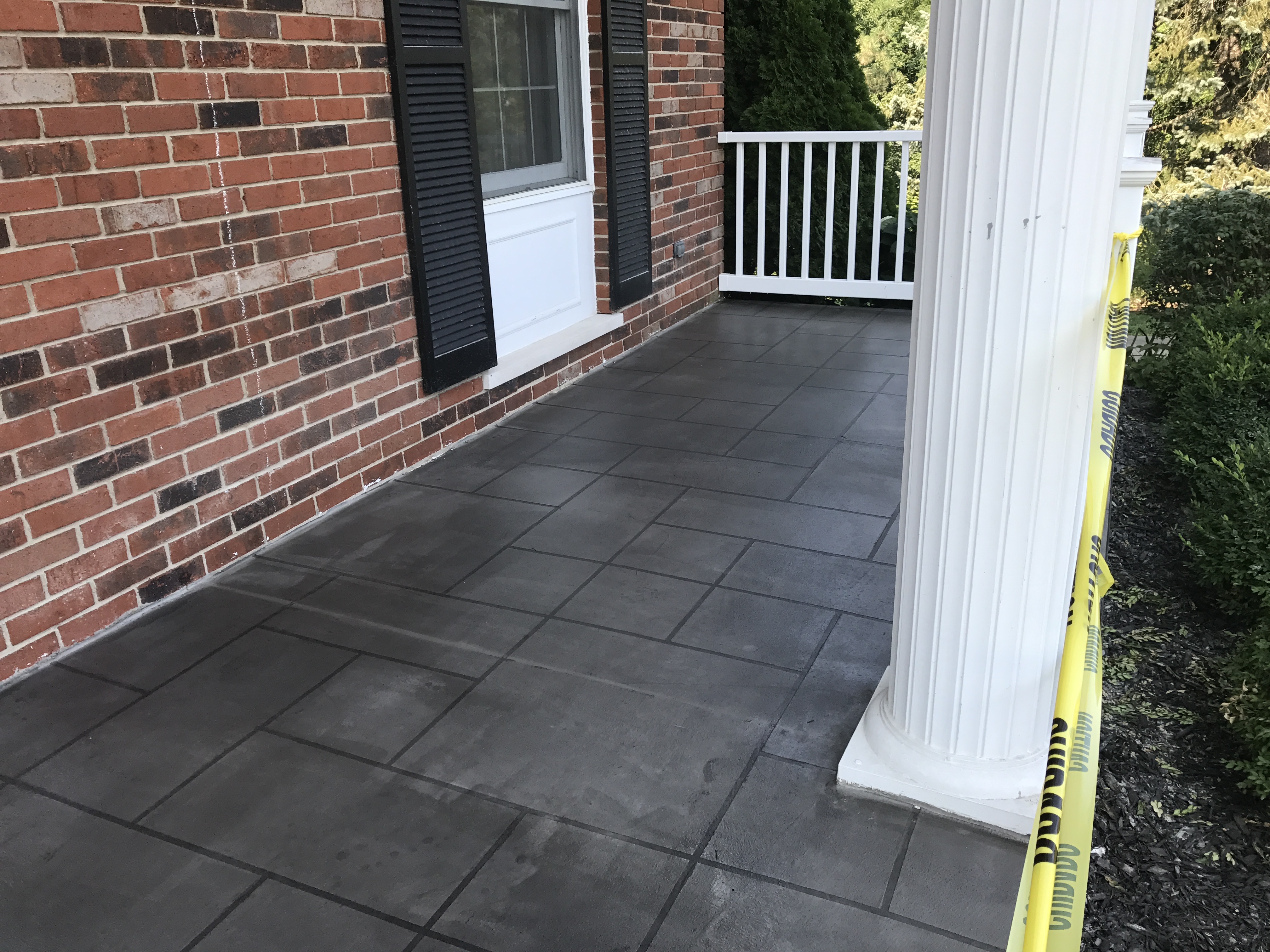
Modified Acrylic Cement is a thin layer (about as thick as a dime) that is 3 times stronger than the concrete is was applied to. This is a great option for anyone who wants a "stamped or brick" pattern in the finish. Available in every color imaginable to compliment a home or business. Top coated with urethane is the norm and the result is not only stunning, but durable as well.
Acrylic coatings are generally thinner and easier to apply than heavy-duty resinous systems. They are often selected for decorative applications, patios, walkways, and surfaces where UV resistance and appearance are important.
Acrylics typically do not provide the same level of abrasion resistance as high-performance epoxy or polyaspartic systems, so they may not be the best choice for heavily used industrial floors.
Cementitious Coatings
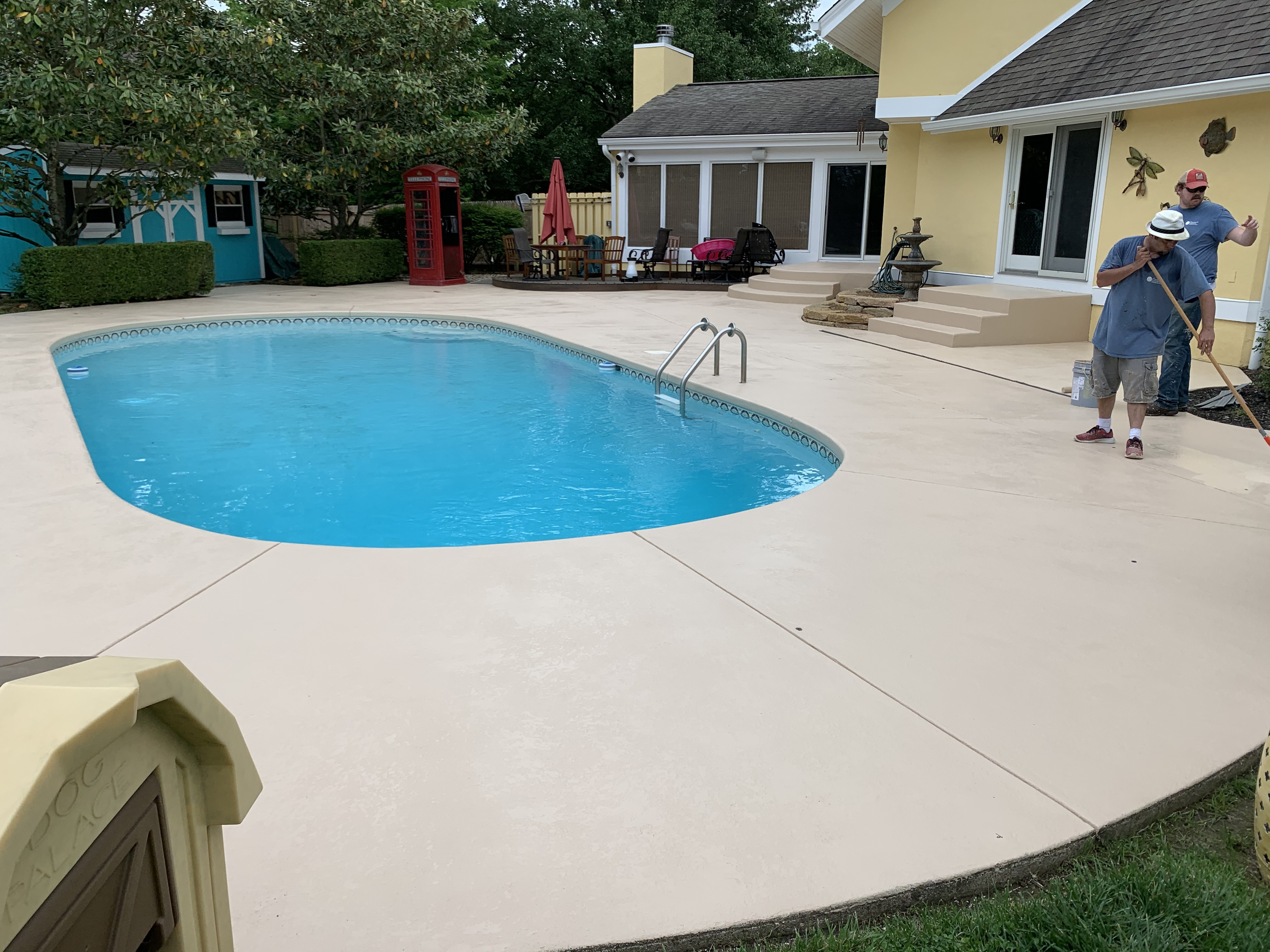
The photo above is a modified cement material that is a great, long term fix for pool decks and weather worn concrete! This entire pool deck was surface ground, cracks filled and stabilized, then the modified material was trowled in place.
Cement-based coating systems can be used to repair, resurface, or enhance concrete surfaces. These systems may be especially useful when the existing concrete requires leveling or when a thicker resurfacing layer is desired.
Decorative cementitious overlays can replicate the appearance of stone, tile, or other materials while using an existing concrete slab as the foundation.